
Spider Removal Cost 2026 Calculator
Get Your Personalized Spider Removal Price
Spiders are one of the most common household pests across the United States. While most species are harmless, seeing webs in corners or spiders in living areas can be unsettling. Professional spider pest control offers fast, effective, and long-lasting results compared to DIY methods.
On this page you can instantly calculate your spider treatment cost using our 2026 estimator. Prices typically range from $100–$500 for a one-time visit, with most homeowners paying $150–$350 depending on home size, infestation severity, and whether venomous species like black widows or brown recluses are involved.
Average Spider Removal Cost 2026
One-time professional treatment: $100 – $500 (most common range $150 – $350)
Average national cost: ~$171 – $300 Per square foot: Roughly $0.10 – $0.20
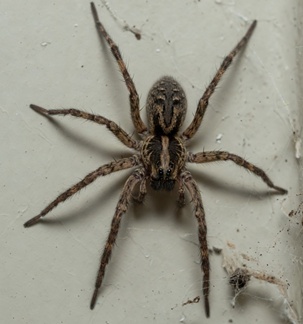
Common Spiders Found in United States
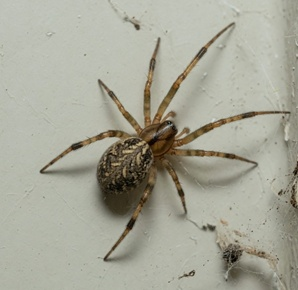
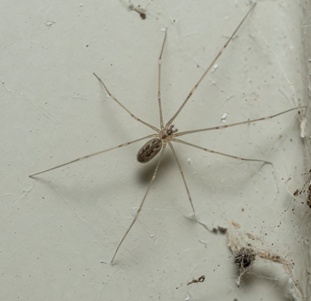
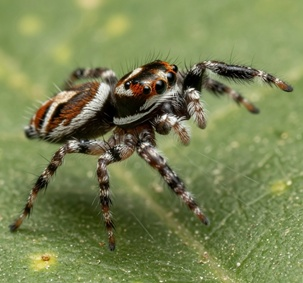

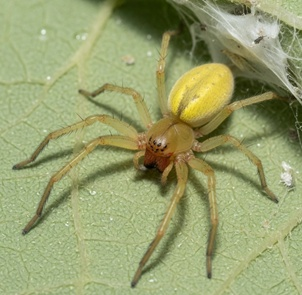
Spider Removal Cost by Home & Yard Size
| Home/Yard Size (Square Feet) | Average One-Time Cost | Typical Pricing Range |
|---|---|---|
| 1,000 sq. ft. | $150 | $100 – $200 |
| 1,500 sq. ft. | $225 | $150 – $300 |
| 2,000 sq. ft. | $300 | $200 – $400 |
| 2,500 sq. ft. | $375 | $250 – $500 |
| 3,000 sq. ft. | $450 | $300 – $600 |
| 4,000 sq. ft. | $600 | $400 – $800 |
Spider Extermination Cost by Treatment Frequency
Pricing Transparency : How Pest Control Price estimates pest control costs in the USA using labor data, government sources, industry standards, treatment methods, and local factors. Learn more
| Frequency of Treatment | Average Cost | Service Details |
|---|---|---|
| One-Time Treatment | $100 – $350 | Best for isolated infestations; includes inspection, spot spraying, and light web removal. |
| Quarterly Service Plan | $350 – $750 (Annual) | Highly recommended; protects against seasonal migrations with exterior perimeter barriers. |
| Monthly Service Plan | $600 – $1,250 (Annual) | Required for active venomous zones or wooded properties with high re-infestation risks. |
Factors That Affect Spider Control Cost
Costs vary significantly based on several factors:
- Home Size & Layout — Larger homes and those with basements, attics, crawl spaces, or garages cost more because technicians need more time and product.
- Infestation Severity — Light problems (occasional webs) are cheaper. Severe infestations with heavy webbing require more labor and product.
- Spider Type — Common house spiders are straightforward. Black widows and especially brown recluses are more expensive and time-consuming because they hide in cracks and require careful, targeted applications.
- Treatment Scope — Interior only vs. full exterior perimeter + attic/basement treatment.
- Service Frequency — One-time reactive treatment vs. preventive quarterly plans (usually better value long-term).
- Location & Accessibility — Urban/high-cost areas and hard-to-reach spaces increase prices. Regional differences in labor rates and spider prevalence also matter.
- Additional Services — Web removal/cleaning, exclusion (sealing entry points), pet-safe products, or follow-up visits.
Edge cases: Brown recluse infestations can be particularly challenging and may require multiple visits over weeks or months. Apartment/condo treatments are often limited to the unit and common areas. Newer homes with better sealing tend to cost less than older properties with many entry points.
Spider Removal Cost by Application Method
| Extermination Method | Average Cost Range | Best Suited For |
|---|---|---|
| Spider Chemical Dusting | $100 – $250 | Injected into wall cracks, crevices, and light-switch plates to coat hiding spots. |
| Non-Toxic Glue Traps | $100 – $300 | Best for monitoring activity levels and catching individual wandering spiders. |
| Targeted Exterior Spraying | $200 – $500 | Applied along foundations, windows, eaves, and baseboards. |
| Whole-Home Fumigation | $300 – $1,000+ | Reserved for severe, systemic venomous infestations across attics and crawlspaces. |
What’s Included in Professional Spider Pest Control?
A quality service usually includes:
- Thorough inspection and identification of spider species
- Targeted application of professional-grade products (sprays, dusts in cracks/crevices)
- Web removal in treated areas
- Recommendations for exclusion and prevention
- Often a guarantee or free re-treatment period
Many companies now offer pet-safe or eco-friendly options (usually at a small premium).
DIY vs Professional Spider Removal
DIY (vacuuming, sticky traps, store-bought sprays) works for very minor issues but often fails long-term because spiders hide in inaccessible areas and keep returning if their insect food source isn’t addressed. Professional treatment uses stronger, longer-lasting products and addresses the root causes (other pests + entry points).
For venomous spiders or moderate-to-severe problems, professional help is strongly recommended for safety and effectiveness.
Prevention Tips (Reduces spider removal Cost)
- Reduce other insects (spiders’ food source)
- Declutter and vacuum regularly
- Spiders foods are ant, bed bug, Fly and similar pests. Make sure to remove them
- Seal cracks, gaps around windows/doors, and utility entry points
- Use dehumidifiers in damp areas (basements, crawl spaces)
- Keep outdoor lighting to a minimum or use yellow bulbs (attracts fewer insects)
- Trim vegetation away from the house foundation
FAQs
How much does spider pest control cost?
Most one-time treatments fall between $150 and $350. Use the calculator above for a personalized estimate.
Is spider treatment worth it?
Yes for most homeowners — especially if you have recurring webs, venomous species nearby, or want peace of mind. Preventive plans often provide the best long-term value.
How long does spider treatment last?
One-time treatments typically provide relief for several weeks to a few months. Quarterly preventive service offers ongoing protection.
Are black widow or brown recluse treatments more expensive?
Yes, usually by $100–$200+ because they require more careful inspection and targeted methods.
Can I get a quote for my specific city?
Our calculator gives national estimates. For city-specific pricing (add your ZIP code), we will connect you with best spider removal exterminator.