
Calculate House Cricket Removal Cost
2026 Guide for USA
House crickets (and field crickets that wander indoors) are common nuisance pests across the United States. They are attracted to warmth, outdoor lighting at night, moisture, and food sources like crumbs, pet food, or organic debris. While they don’t pose serious health risks, their loud nighttime chirping can be extremely annoying, and they may chew on fabrics, paper, or stored items.
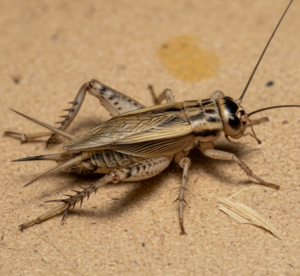
Professional house cricket removal focuses on quick population reduction combined with long-term prevention by addressing what’s drawing them to your property. This guide provides realistic 2026 cost estimates and practical advice for USA homeowners.
Average House Cricket Removal Costs in the USA 2026
House cricket control is generally affordable and often bundled with general pest management.
National averages (drawn from provider pricing, NPMA-aligned data, and cost surveys):
- One-time professional treatment: $150 – $350 (most homeowners pay $165 – $300 for a standard home).
- Basic perimeter/exterior barrier treatment: $120 – $280.
- Comprehensive one-time service (inspection + interior/exterior treatment + recommendations): $200 – $450.
- Recurring quarterly or monthly plans (often includes crickets): Initial visit $150 – $300, then $30 – $80 per month or $120 – $300 per quarter.
Estimated Costs by Home Size (One-Time Professional Treatment)
| Home Size | Typical Cost Range | Notes |
|---|---|---|
| Small (< 1,500 sq ft) | $130 – $250 | Apartments, condos, smaller homes |
| Average (1,500–2,500 sq ft) | $160 – $320 | Most common single-family homes |
| Large (3,000+ sq ft) | $250 – $450+ | More extensive perimeter + potential follow-ups |
| Severe/recurring + extras | $350 – $600+ | Multiple visits, exclusion work, or heavy landscaping |
Note: Prices are higher in high-cost states (California, New York, Northeast, parts of Florida) and during peak seasons (late summer through fall). Many companies include crickets in general pest control plans at no extra charge.
Pricing Transparency : How exterminators estimate pest control price in the USA using labor data, government sources, industry standards, treatment methods, and local factors.
What Factors Affect House Cricket Removal Costs?
Several variables influence your final price:
- Infestation Severity & Chirping Level — Light activity costs less than heavy populations causing constant nighttime noise.
- Home Size, Layout & Access — Larger homes or properties with extensive landscaping, decks, or foundation gaps require more time and product.
- Geographic Location & Climate — Humid or warm regions see more cricket pressure. Local labor and product costs vary.
- Attractants Present — Outdoor lighting, pet food left outside, standing water, or dense vegetation near the foundation increase treatment complexity.
- Treatment Methods:
- Perimeter barrier sprays (most common and cost-effective).
- Baits and granular applications.
- Targeted interior treatments in severe cases.
- Integrated approaches combining exclusion and habitat modification.
- Additional Services — Follow-up visits, exclusion (sealing gaps), moisture reduction advice, or dehumidification recommendations.
- Service Type — One-time reactive treatment vs. proactive quarterly plan (usually better value).
- Provider & Guarantees — Companies offering re-treatment warranties often provide stronger long-term results.
Professional House Cricket Treatment Process
A typical professional service includes:
- Thorough inspection to identify entry points, attractants (especially lighting and food sources), and harborage areas.
- Targeted exterior perimeter treatment to create a barrier.
- Interior spot treatments or baits where needed (kitchens, basements, laundry rooms).
- Recommendations for reducing outdoor lighting, sealing gaps, and improving sanitation.
- Follow-up visit(s) if activity persists.
- Warranty or guarantee on many plans.
Because crickets are strong jumpers and often enter from outside, exterior-focused treatments combined with prevention deliver the best results.
DIY House Cricket Control: Costs and Limitations
DIY costs: $20–$70 for sprays, baits, sticky traps, or dehumidifiers.
Pros: Low initial cost and fast to start.
Cons: Often provides only temporary relief. Crickets are attracted from outdoors, so without addressing lighting, entry points, and food sources, they keep coming back. Overuse of sprays can be less effective and more wasteful than professional targeted applications.
Best suited for: Very minor issues combined with immediate changes like switching outdoor lights and sealing obvious gaps. For ongoing chirping or noticeable numbers, professional help is usually more cost-effective long-term.
How to Get the Best Value on Cricket Control
- Bundle cricket treatment with general quarterly pest control (often the smartest financial move).
- Request free inspections and compare 2–3 quotes.
- Reduce attractants yourself before service (turn off unnecessary outdoor lights, clean up debris, store pet food properly).
- Choose plans with strong guarantees rather than the absolute cheapest one-time option.
- Act early in the season — waiting until peak fall activity can increase costs and frustration.
Long-Term Prevention: Keep Crickets Out and Save Money
- Lighting: Switch to yellow “bug lights” or use motion-activated lights outdoors. Reduce unnecessary nighttime lighting.
- Sanitation: Clean up crumbs, pet food, and organic debris. Store food in sealed containers.
- Sealing: Caulk cracks and gaps around foundations, doors, windows, and utility entries.
- Landscaping: Keep grass, shrubs, and mulch pulled back 12–18 inches from the foundation. Remove leaf litter and woodpiles near the house.
- Moisture Control: Fix leaks and use dehumidifiers in damp basements or crawl spaces (especially helpful for camel crickets too).
- Traps: Use sticky traps or light traps in problem areas as monitoring tools.
- Regular Maintenance: Vacuum regularly and address small issues before they grow.
House Crickets vs. Camel Crickets (Quick Note)
- House/Field Crickets: Usually light brown, chirp loudly at night, attracted to lights and warmth. More likely to damage fabrics.
- Camel Crickets (also called cave or spider crickets): Humpbacked, long-legged, no chirping, prefer dark damp areas like basements. Control focuses heavily on moisture reduction.
Professionals can identify which type you have and tailor the approach accordingly.
Frequently Asked Questions About House Cricket Removal Costs
How much does professional house cricket extermination cost?
Most homeowners pay between $150 and $350 for a one-time professional treatment.
Are crickets covered under general pest control plans?
Yes, in most cases. Crickets are commonly included in quarterly or monthly pest management programs.
How long does a cricket treatment last?
A good perimeter treatment typically provides relief for several weeks. Long-term success depends on prevention measures.
Why do I hear crickets chirping at night?
Male crickets chirp to attract mates. Reducing the population through treatment quickly lowers or eliminates the noise.
Do crickets cause damage?
They can chew on fabrics, paper, and some stored items, but the main issues are usually the noise and nuisance.
Is DIY cricket control effective?
It can help with very light problems but rarely stops ongoing invasions from outside without professional-grade perimeter work and exclusion.
How quickly can I get service?
Many companies offer same-day or next-day appointments, especially during peak cricket season.
Will treatment harm my pets?
Reputable providers use targeted, low-toxicity applications and will advise on pet safety timing.