
Ant Removal Cost Calculator in USA
Ant Removal Cost in 2026
Ant problems can quickly turn into a full infestation from a few insects. Sometimes, DIY isn’t helpful because of recurring problems and you have to call an exterminator for ant treatment. We made a tool that gives you an overview of the cost. This estimate will help you avoid overpaying.
Ant Removal Calculator
Use this calculator to get an estimated ant extermination in the USA.
How Much Does Ant Removal Cost in the USA?
In the USA, the cost for ant removal ranges from $60 to $500 for a one-time service; inspection may be free. A professional ant exterminator visit costs around $130 to $300, depending on the size of the home and the severity of the infestation. Severe infestations, carpenter ants, hidden nests, or recurring ant pest problems may cost $800 to $1,200 or more.
Pricing Transparency : How Pest Control Price estimates pest control costs in the USA using labor data, government sources, industry standards, treatment methods, and local factors. Learn more
| Ant Removal Service | Average Cost |
|---|---|
| Small ant problem | $60–$150 |
| Standard ant treatment | $150–$300 |
| Moderate infestation | $250–$500 |
| Severe infestation | $500–$1,200 |
| Follow-up visit | $40–$100 |
| Monthly pest control plan | $35–$70/month |
| Quarterly pest control plan | $100–$300/visit |
Average Ant Exterminator Cost by Ant Type
The type of ant affects the price range; the treatment methods differ according to their characteristics. Common home ant treatments are cheaper, while carpenter ants and fire ants may cost more because they may require nest targeting, mound treatment, moisture inspection, or repeated visits.
| Ant Type | Estimated Cost |
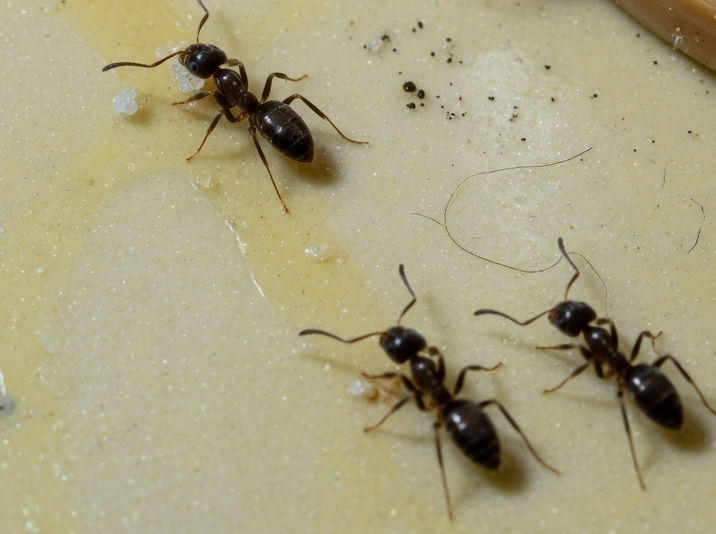
| Sugar ants | $80–$300 |
| Pavement ants | $100–$300 |
| Odorous house ants | $130–$350 |
| Fire ants | $150–$500 |
| Carpenter ants | $200–$1,000 |
| Unknown ant species | $150–$400 |
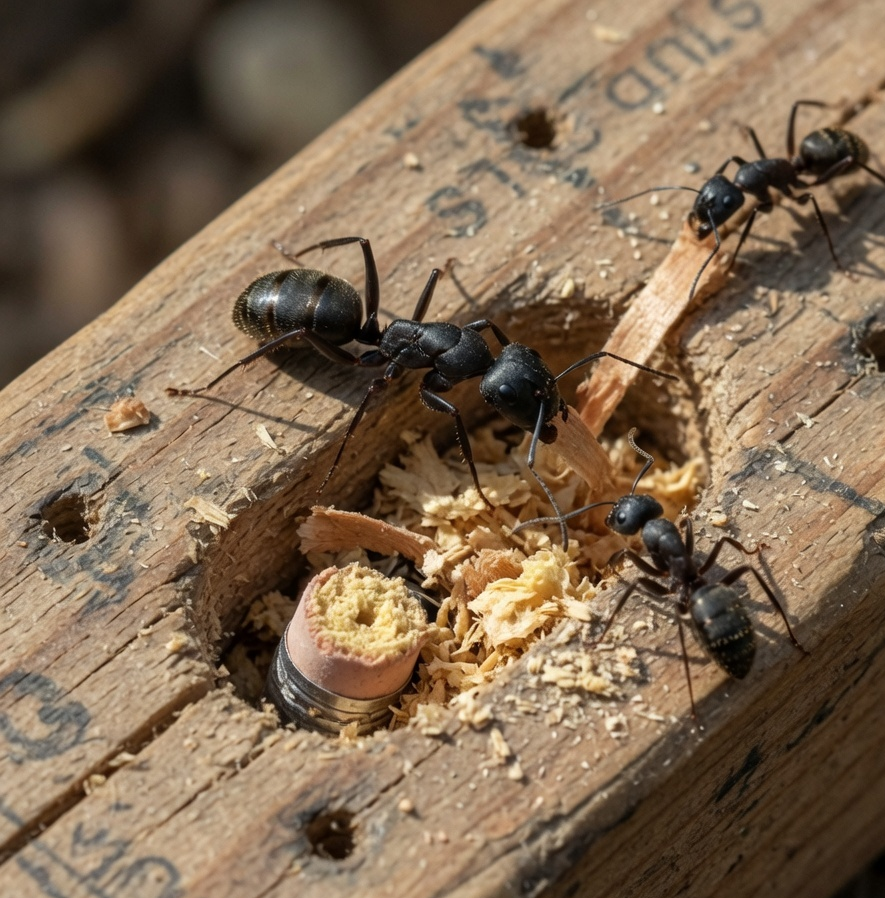
Carpenter Ant Removal Cost
Carpenter ant removal is often more expensive than standard ant treatment because carpenter ants can nest in wood, wall voids, crawl spaces, or moisture-damaged areas. If the colony is hidden or damage is suspected, the exterminator may need a deeper inspection and multiple treatments.
Fire Ant Removal Cost
Fire ant treatment can cost more when multiple outdoor mounds are present. Pricing depends on yard area, mound count, treatment technique, and whether the service includes prevention.
Ant Removal Cost by size
Larger home and commercial property require more time, product, and inspection work may be needed.
| Area | Estimated Cost |
| Apartment / condo | $60–$180 |
| Under 1,500 sq. ft. | $100–$250 |
| 1,500–2,500 sq. ft. | $150–$350 |
| 2,500–4,000 sq. ft. | $250–$500 |
| Over 4,000 sq. ft. | $400–$900+ |
Ant Removal Cost by Infestation Level
| Infestation Level | What It Means | Estimated Cost |
| Minor | A few ants or one visible trail | $60–$150 |
| Moderate | Ants in multiple rooms | $100–$300 |
| Heavy | Indoor and outdoor activity | $350–$700 |
| Severe | Hidden nest or recurring problem | $500–$1,200+ |
| Structural concern | Possible carpenter ants | $400–$1,200+ |
One-Time Ant Treatment vs Pest Control Plan
| Service Type | Best For | Average Cost |
| One-time treatment | Small or first-time ant problem | $60–$500 |
| Follow-up treatment | Moderate infestation | $40–$100 per visit |
| Monthly plan | Recurring ants pest problems | $35–$70/month |
| Quarterly plan | Prevention and year-round control | $100–$300/visit |
A one-time service may be enough for a small ant issue. If ants keep returning, a quarterly plan is more cost-effective over time.
DIY Ant Control vs Professional Ant Exterminator
DIY ant control is a cheap option for a small ant infestation. It’s best if you can find the food source and entry points. However, professional treatment is usually better when ants return, appear in several rooms, or are nesting inside walls.
DIY Ant Control May Work If:
- You can seal the entry point
- You see only a few ants
- The ants are limited to one area
- You can remove the food or moisture source
Hire a Professional If:
Pavement ants
- Ants keep coming back
- You see ants in multiple rooms
- You suspect carpenter ants
- You see winged ants indoors
- Ants are entering through walls, windows, or crawl spaces
- DIY bait has not worked
How to Reduce Ant Removal Cost
You can lower your ant control cost by preparing your home before the exterminator arrives.

- Clean food crumbs, grease, and spills
- Store pantry food in sealed containers
- Remove pet food overnight
- Fix leaking pipes and moisture problems
- Seal cracks around windows, doors, and baseboards
- Trim plants and branches touching the house
- Ask whether follow-up visits are included
Call us, and we will connect you with a cheap professional near you.
FAQ Section
How much does it cost to get rid of ants?
Professional ant removal usually costs $60 to $500 for a one-time treatment. Many standard treatments fall around $150 to $300, depending on the infestation and home size.
Why is carpenter ant removal more expensive?
Carpenter ants may nest inside wood, wall voids, crawl spaces, or moisture-damaged areas. They can be harder to locate the source and need multiple treatments; carpenter ant exclusion can cost more than a common household ant.
Is one ant exterminator visit enough?
One visit may be enough for a small ant problem, but recurring infestations need follow-up visits, exterior barrier treatment, and a proper pest control plan.
How much does a follow-up ant treatment cost?
Follow-up visits often cost around $40 to $100, depending on the company, size of property, and location.
Are fire ants more expensive to remove?
Fire ants can be costly because their bites are very harmful; they require multiple layers of protection for exterminators additionally, if there are multiple outdoor mounds or a large yard area that needs treatment.
Can I remove ants myself?
You may be able to control a small ant trail with cleaning, chemicals spray, wheat powder, poisoned chalice, sealing entry points, and bait. If ants return, spread, or appear inside walls, hiring a professional is usually safer and more effective.
Note: Our calculator gives you a quick estimate, but the final cost depends on your property (residential and commercial), ant species, infestation level, and location.