
Centipede Removal Cost Guide for USA 2026
Centipedes (especially the common house centipede) are fast-moving, many-legged arthropods that often appear in basements, bathrooms, kitchens, and crawl spaces. While they are beneficial predators that hunt other household pests like silverfish, spiders, and roaches, large numbers indoors signal excess moisture or entry points — and they become a nuisance when they scurry across floors at night.
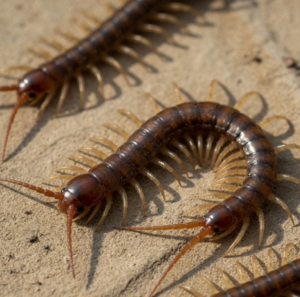
Professional centipede removal focuses on both immediate control and addressing the root causes (dampness, gaps, and food sources). This guide provides realistic 2026 cost estimates, breakdowns, and practical advice tailored for USA property owners.
Average Centipede Removal Costs in the USA 2026
Professional centipede control is generally more affordable than treatments for bed bugs, termites, or rodents.
National averages (based on provider data, NPMA-related surveys, and cost aggregators):
- One-time professional treatment: $120 – $350 (most homeowners pay $150 – $300 for a typical single-family home).
- Basic perimeter/exterior barrier treatment: $80 – $200.
- Comprehensive one-time service (thorough inspection + interior & exterior application): $200 – $450 (can reach $500+ with exclusion work).
- Recurring/quarterly plan (often bundled into general pest control): Initial visit $150 – $300, then $40 – $80/month or $120 – $300 per quarter.
Pricing Transparency : How Pest Control Price estimates pest control costs in the USA using labor data, government sources, industry standards, treatment methods, and local factors.
Estimated Costs by Home Size (One-Time Treatment)
| Home Size | Typical Cost Range | Notes |
|---|---|---|
| Small (< 1,000–1,500 sq ft) | $100 – $250 | Apartments, condos, or small homes |
| Average (1,500–2,500 sq ft) | $180 – $350 | Most common single-family homes |
| Large (3,000+ sq ft or multi-level) | $300 – $550+ | Includes more extensive perimeter + interior work |
| Severe/recurring + exclusion | $400 – $700+ | Multiple visits or structural sealing |
Note: Prices vary significantly by location. High-cost areas (California, New York, parts of Florida, Northeast) often run 20–40% higher than national averages. Humid Southeast and Midwest regions see more frequent issues due to climate.
What Influences Centipede Removal Pricing?
Several key factors determine your final quote:
- Infestation Severity — A few occasional sightings cost less than heavy activity in multiple rooms or recurring problems.
- Property Size, Layout & Accessibility — Larger homes, basements, crawl spaces, or attics increase labor and product use.
- Geographic Location & Season — Humid or wet climates (spring/fall peaks) drive higher demand and sometimes pricing. Urban vs. rural and local regulations also matter.
- Treatment Approach:
- Targeted chemical applications (crack & crevice, perimeter sprays, dusts).
- Integrated Pest Management (IPM) — emphasis on moisture control and exclusion (often more effective long-term).
- Eco-friendly or low-toxicity options (may add a small premium).
- Additional Services — Exclusion (sealing gaps), moisture assessment/recommendations, follow-up visits, or dehumidifier guidance.
- Provider Type & Guarantees — National chains vs. local pros; plans with free re-treatment guarantees usually offer better value.
- Bundling — Adding centipede control to a general quarterly pest plan is often cheaper than a standalone visit.
Professional Treatment Process (What You’re Paying For)
A quality service typically includes:
- Detailed inspection to locate entry points, moisture sources, and harborage areas.
- Identification of conducive conditions (leaks, poor ventilation, clutter, leaf litter against foundation).
- Customized treatment (interior cracks/crevices + exterior perimeter).
- Recommendations for long-term prevention (often the most valuable part).
- Follow-up visit(s) in many packages.
- Warranty or guarantee period.
DIY Centipede Control: Costs vs. Reality
DIY costs: $15–$60 for sprays, dusts (e.g., diatomaceous earth, boric acid products), sticky traps, or dehumidifiers.
Pros: Low upfront cost, immediate action possible.
Cons & Limitations: Usually provides only temporary relief. Root causes (moisture, entry points, other pest populations) remain unaddressed. Over-application risks to pets/children and surfaces. Many DIY attempts fail long-term, leading to higher eventual professional costs.
Best for: Very light, isolated sightings combined with immediate moisture fixes and sealing. For anything more persistent, professional help is strongly recommended.
How to Save Money on Centipede Removal
- Bundle with general pest control or quarterly plans.
- Get 2–3 free inspections/quotes (most reputable companies offer them).
- Fix obvious moisture and entry issues yourself before the technician arrives.
- Choose plans with strong guarantees rather than the cheapest one-time option.
- Address the problem early — small issues cost far less than established infestations.
- Preventive maintenance is almost always cheaper than reactive treatments.
Long-Term Prevention Tips (Reduce Future Costs)
Centipede problems are often solved more by changing conditions than by spraying alone:
- Reduce moisture: Fix leaks, use dehumidifiers in basements/bathrooms, improve ventilation.
- Seal entry points: Caulk cracks, gaps around pipes, doors, windows, and foundation.
- Reduce harborage: Clear clutter in damp areas; keep mulch and leaf litter 12–18 inches from the foundation.
- Maintain the exterior: Clean gutters, trim vegetation, and fix grading issues that direct water toward the house.
- Vacuum regularly and reduce other small insect populations (their food source).
- Consider professional exclusion work for recurring issues.
Important Considerations & Edge Cases
- Are centipedes dangerous? House centipedes can bite if handled (mild venom causes temporary pain/redness, similar to a bee sting). They are not aggressive and rarely bite humans. They are more of a nuisance and an indicator species.
- Beneficial aspect: They eat other pests. Some experts (especially in urban areas like NYC) recommend tolerance + moisture/food-source reduction over total elimination.
- Severe or recurring cases: May require multiple visits, exclusion work, or addressing underlying issues like poor drainage or plumbing leaks.
- Apartments/condos vs. single-family homes: Shared walls and common areas can complicate treatment; coordination with management may be needed.
- Pets & children: Discuss pet-safe or low-toxicity options with your provider.
- Seasonal spikes: More common during wet periods or when other insects are active.
Frequently Asked Questions
How much does centipede extermination cost on average?
Most homeowners pay $150–$350 for a professional one-time treatment.
Is centipede control included in general pest plans?
Often yes. Many quarterly plans cover centipedes along with ants, spiders, crickets, etc.
How long does a treatment last?
Results can last weeks to months. Long-term success depends heavily on fixing moisture and entry points.
Do I need multiple treatments?
Light cases often need just one visit. Moderate to severe or recurring problems may require follow-ups.
Are centipedes a sign of a bigger problem?
Yes — usually excess moisture or populations of other small insects.
Can I treat centipedes myself effectively?
DIY works for very minor issues but rarely solves recurring problems.
How quickly can I get service?
Many companies offer same-day or next-day service, especially during peak seasons.
Will treatment affect my pets?
Reputable companies use targeted applications and can recommend pet-safe timing/products.