
AI Pest Detector Tool with Professional Advice
Click live pest photo from mobile or upload from your system
Not sure what pest you found in your home? Use our pest detector to upload a clear photo and get an instant AI-based pest identification.
Our pest detector can help recognize common pests such as termites, bed bugs, cockroaches, ants, spiders, ticks, rodents, flies, mosquitoes, beetles, and other household pests.
Best photo tips:
- Take a close-up photo
- Use good lighting
- Keep the pest or damage in focus
- Avoid blurry or dark images
- Upload only pest-related images
How our Pest Dector works?
📷Upload an Image
Upload a clear photo of pests from device camera or memory. Acceptable image formats are jpg, png, jpeg, WEBP and HEIC.
🧠AI Detection
Click the button detect Pest. Our AI system compare the pest image with all billions of available pests on the earth. Click reset to resume entire function.
📋Result
Get exact English name of the pests with scientific name and one line treatment methods within few seconds. Call to connect local exterminators.
Important: A professional inspection is recommended before choosing any treatment.
What Is a Pest Detector?
A pest detector is a tool that helps identify possible pests from a photo. Instead of guessing whether you found a termite, cockroach, bed bug, ant, spider, tick, or rodent sign, you can upload an image and receive a quick identification estimate.
This is useful when you notice:
- Small insects near your kitchen or bathroom
- Bugs on your mattress or sofa
- Wood damage or mud tubes
- Droppings near food areas
- Unusual bites or skin irritation
- Flying insects around drains or trash
- Webs, nests, or pest eggs
- Rodent activity in the attic, garage, or basement
Correct pest identification matters because different pests require different inspection and control methods. The EPA’s integrated pest management guidance also emphasizes accurate pest identification before making control decisions. EPA
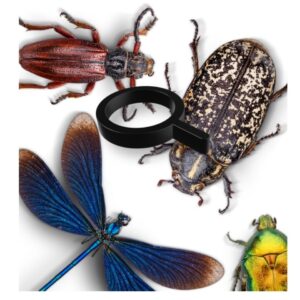
Pests Our Detector Can Help Identify
How to identify Termites
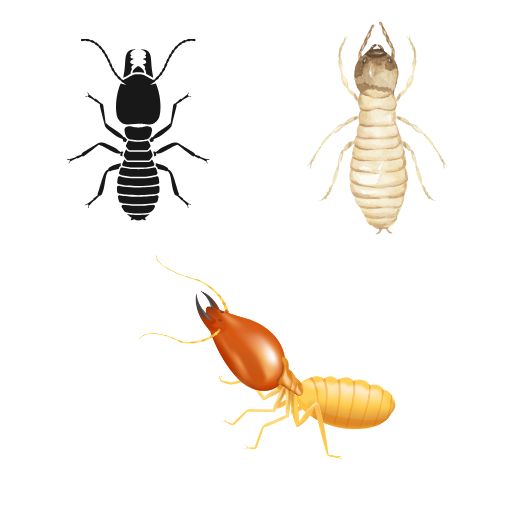
Symptoms :
- Waist: Termites have a thick, straight waist (no pinched middle like ants).
- Antennae: Straight or slightly curved (ants have bent/elbowed antennae).
- Wings (if flying): Two pairs of equal length wings, longer than the body.
- Color: Workers are creamy white/pale. Soldiers have big brown heads. Flying ones are darker.
Termites can damage wood, flooring, walls, and structural areas. If your image shows mud tubes, damaged wood, discarded wings, or termite-like insects, the pest detector may suggest termite inspection.
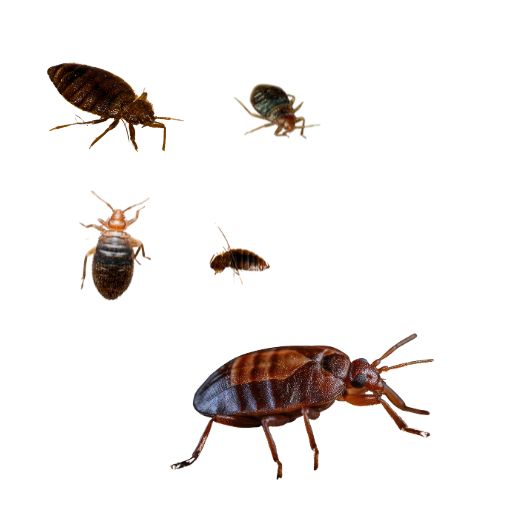
How to identify Bed Bugs
Symptoms :
- Small, flat, oval-shaped (size of an apple seed ~5-7mm)
- No wings, 6 legs
- Bites: Itchy red welts in a line or zigzag pattern (often on arms, back, neck, legs)
- Fecal stains: Tiny dark brown/black dots on mattress, sheets, or walls (looks like ink spots)
Bed bugs are often found around mattresses, bed frames, sofas, luggage, and cracks near sleeping areas. Common signs include tiny reddish-brown bugs, dark stains, shed skins, or bite patterns.
How to identify Roaches
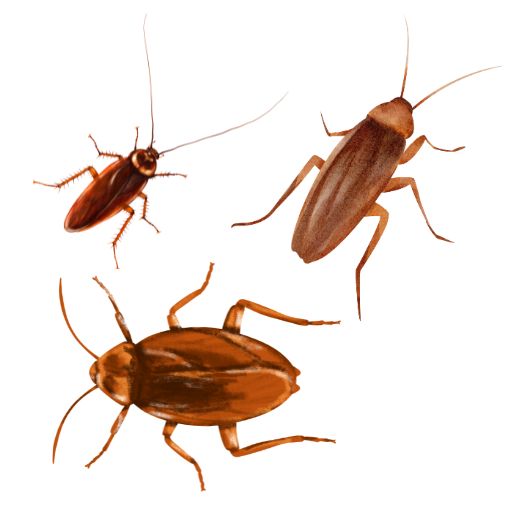
Symptoms :
- Oval, flat body with long antennae and 6 legs
- Shiny brown to black color, Fast runners, mostly active at night
- Droppings: Small dark pellets (look like coffee grounds or black pepper)
- Egg cases (ootheca): Brown, purse-shaped capsules
- Musty/oily smell
Cockroaches often appear in kitchens, bathrooms, cabinets, drains, and warm hidden areas. They may leave droppings, egg cases, or a strong odor.
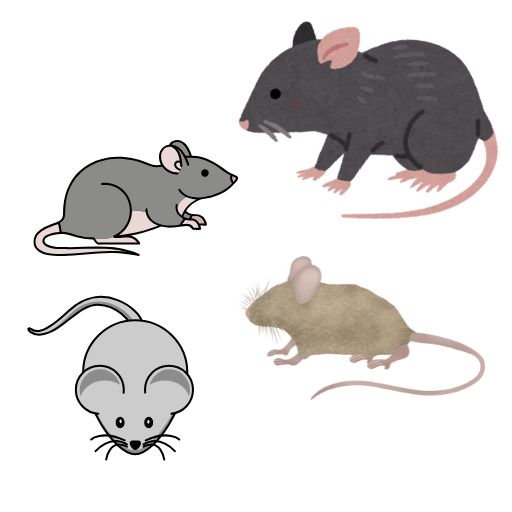
How to identify Rodent
Symptoms :
- House Mouse: Small (body ~3 inches), pointed nose, large ears, long thin tail, gray-brown color.
- Rats (Norway or Roof rat): Much larger (body 7–10 inches), blunt nose, smaller ears, thicker tail.
- Mouse Dropping: Small like rice grains, pointed ends
- Rat Dropping: Larger like black beans, blunt/rounded ends
- Gnaw marks: On wood, wires, food packets, or baseboards
- Grease/rub marks along walls (from their oily fur)
- Shredded paper or insulation nests
- Scratching or squeaking sounds at night
Rodent signs may include droppings, gnaw marks, scratching noises, nests, damaged packaging, or greasy rub marks along walls.
How to identify Ants
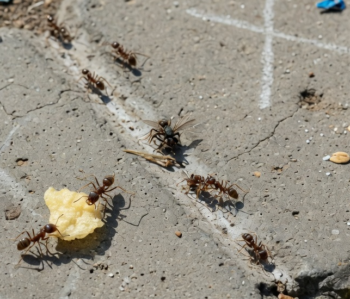
Symptoms :
- Pinched waist (very narrow middle) — this is the easiest way to tell them from termites
- Elbowed/bent antennae (termites have straight antennae)
- 3 clear body parts + 6 legs
- Some have wings (flying ants), but front wings are longer than back wings
- Trails of ants walking in a line (especially to food or water)
- Small piles of sawdust (carpenter ants)
- Ant hills in soil or cracks in walls
Ants may appear near food, water, cracks, windows, doors, or outdoor entry points. Some ant problems are simple, while others may require professional inspection.
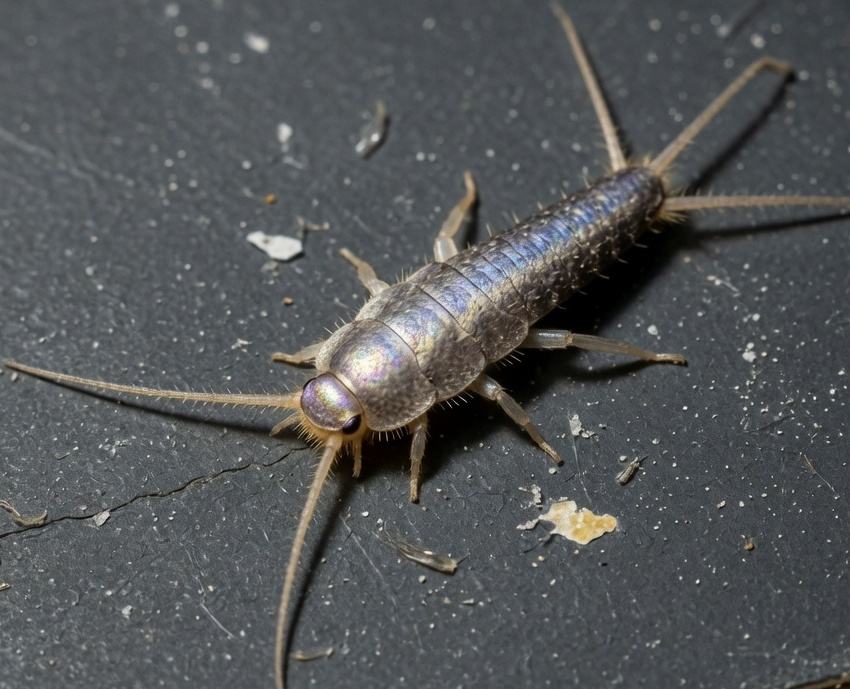
How to identify Silverfish
Symptoms :
- Small, wingless insect with a shiny silver/gray metallic color
- Carrot or fish-shaped body (tapered at the back)
- Long antennae + 3 long tail-like filaments at the rear
- Covered in tiny scales (gives shiny look)
- Moves very fast in a wriggling, fish-like motion
- Damp, dark places — bathrooms, basements, kitchens, behind walls
- Some jump or run fast (like jumping spiders or wolf spiders)
- Tiny black pepper-like droppings
Damage to books, paper, wallpaper, cardboard, and clothes (they eat starch and glue).
How to identify Beetle
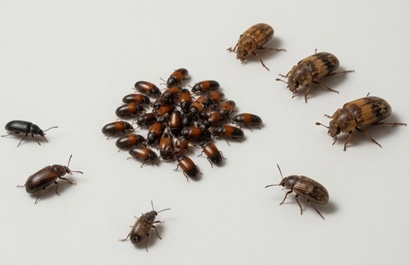
Symptoms :
- Hard wing covers (called elytra) that meet in a straight line down the middle of the back
- 6 legs and chewing mouthparts
- Most can fly, but the hard wings protect the soft flying wings underneath
- Carpet Beetle – Small, round, black/brown with white/yellow spots
- Wood-boring / Furniture Beetle – Cylindrical, brown, 3–5 mm
- Pantry Beetles – Small, oval, reddish-brown
Carpet beetle can Damages carpets, clothes, upholstery. Wood Beetle makes small round holes in wood & furniture. Pantry Beetle infests flour, grains, spices. If you see hard-shelled insects with a straight line down their back, they’re almost always beetles. Most are harmless, but some (like wood borers and carpet beetles) can damage your home or belongings.
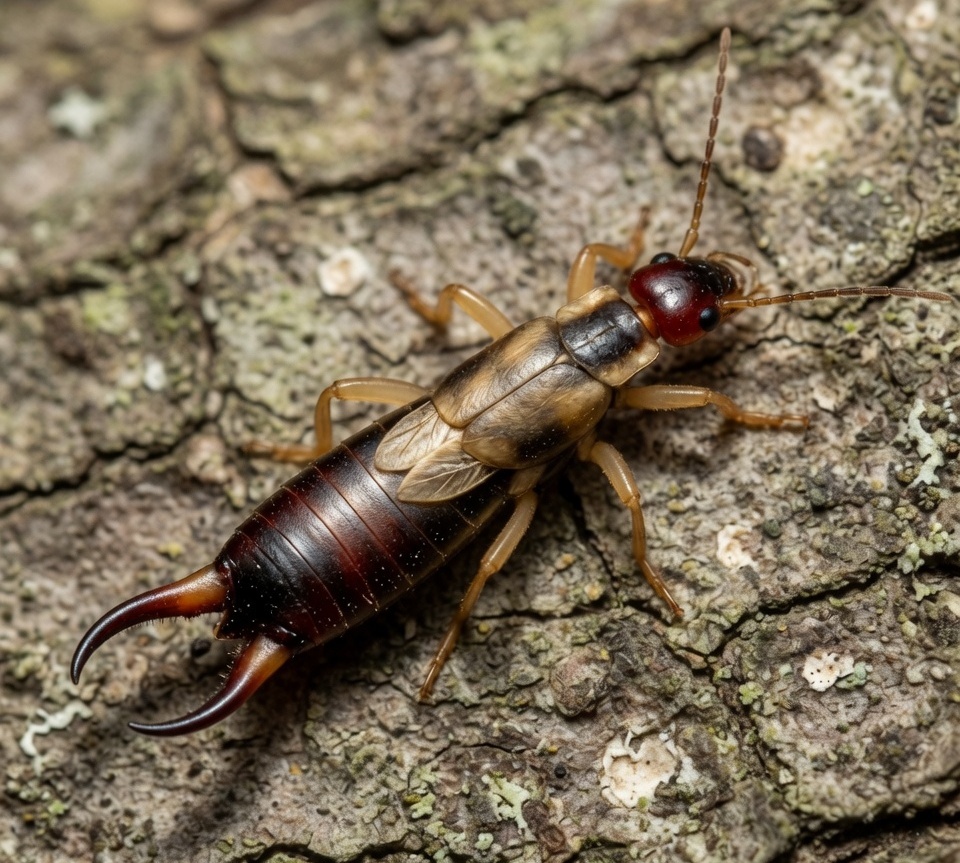
How to identify Earwigs
Symptoms :
- Elongated, flattened body (dark brown to reddish-brown)
- Large pincer-like forceps at the end of the abdomen (most distinctive feature)
- Short wing covers that don’t fully cover the body, Long antennae and 6 legs
- They can fly but rarely do
The pincers make earwigs easy to recognize. They use them for defense and mating but are harmless to humans (they might give a small pinch if handled). They are mostly beneficial as they eat other small insects.
How to identify Ticks
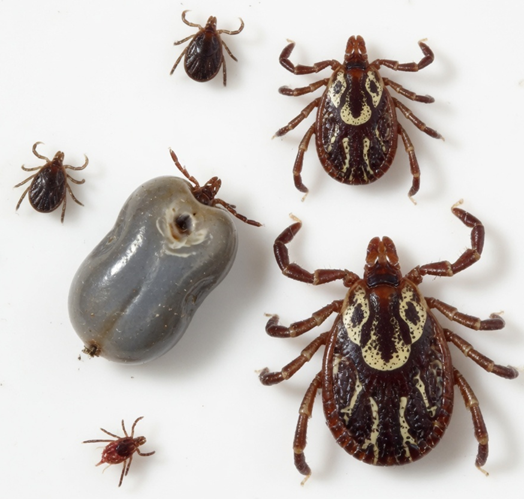
Symptoms :
- 8 legs (adults and nymphs)
- Flat, oval-shaped body when unfed
- Becomes round and swollen (engorged) after feeding
- Hard shield (scutum) on the upper back
- Very small when unfed — some are smaller than a sesame seed
- Crawling on skin, clothing, or pets
- Common in grassy, wooded, or bushy areas
After being outdoors, always do a full-body check (including pets). The sooner you remove a tick, the lower the risk of disease transmission. Use fine tweezers and pull steadily without twisting.
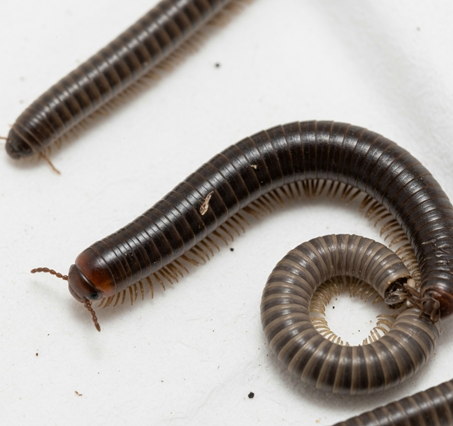
How to identify Millipedes
Symptoms :
- Long, cylindrical, segmented body
- Two pairs of legs per body segment (this is the easiest way to tell them from centipedes)
- Usually dark brown, black, or reddish-brown
- Slow-moving, When threatened, they curl into a tight spiral
- Short antennae
Millipedes are harmless to humans. They don’t bite or sting. They usually appear in large numbers after heavy rain as they search for moisture. They help break down organic matter in gardens.
How to identify Centipedes
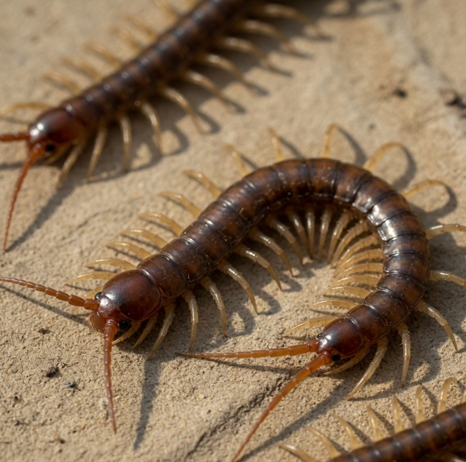
Symptoms :
- Flattened body (unlike the round body of millipedes)
- One pair of legs per body segment, Long antennae
- Very fast movement, First pair of legs are modified into venomous fangs (used to catch prey)
- Color: Usually yellowish-brown to dark brown
If it’s fast-moving with a flattened body and one leg per segment, it’s a centipede. They are beneficial in gardens because they eat insects, slugs, and other pests.
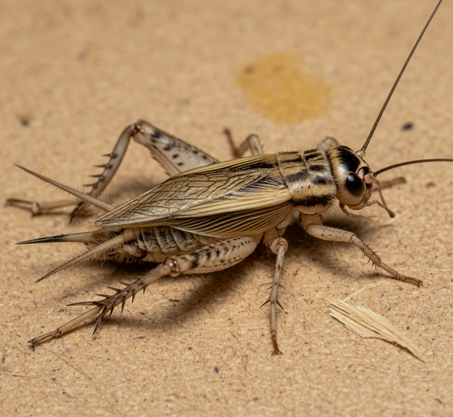
How to identify House Cricket
Symptoms :
- Light brown to tan/yellowish color
- Very long antennae (longer than the body)
- Wings lie flat on the back when at rest
- Strong hind legs for jumping
- Body length: about 16–20 mm
- Males make a loud chirping sound at night by rubbing their wings together
If you hear loud chirping at night inside your house and see a light brown insect with very long antennae that jumps when disturbed, it’s most likely a House Cricket. They are harmless to humans but can become a nuisance when they enter homes in large numbers.
How to identify mosquito
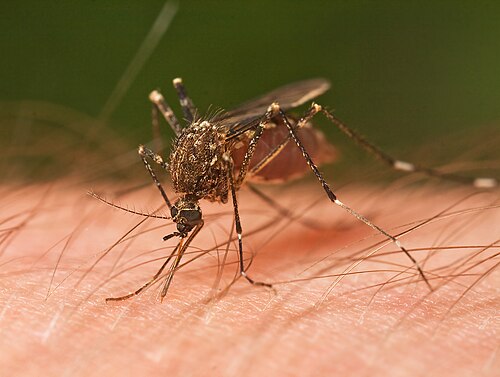
Symptoms :
- Slender body with long, thin legs
- Long needle-like proboscis (mouthpart used for sucking blood)
- Wings covered with tiny scales
- Females bite (need blood for eggs); males do not bite
- Size: Small (3–6 mm)
Mosquitoes are a major problem because they bite humans and spread serious diseases like malaria, dengue, chikungunya, and Zika. The long proboscis and slender body with long legs make mosquitoes easy to recognize. Only female mosquitoes bite humans.
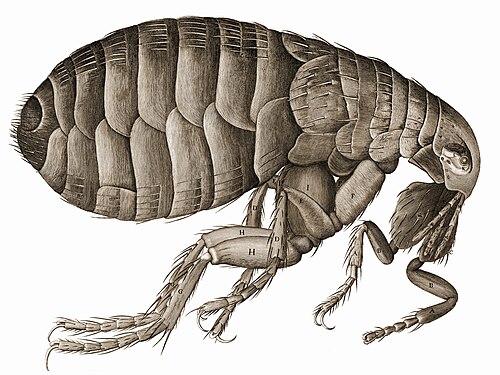
How to identify Fleas
Symptoms :
- Very small (1–3 mm long)
- Dark brown to reddish-brown color, Wingless
- Body is laterally flattened (thin from side to side)
- Strong hind legs for jumping very high
- Covered with tiny backward-facing spines
Fleas are wingless and excellent jumpers. If you see tiny insects jumping on your pet or small black dots that turn red when wet, it’s likely a flea infestation.
How to identify Wasps
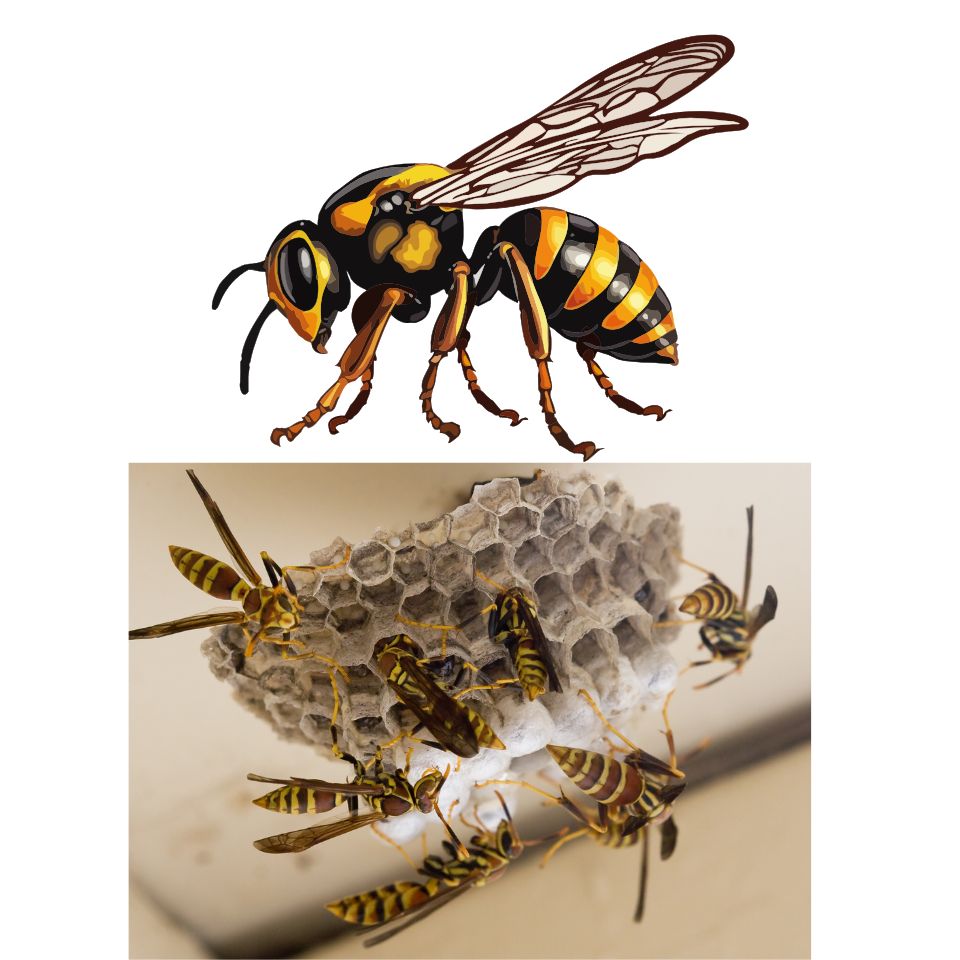
Symptoms :
- Slender body with a narrow “waist”
- Smooth, hairless body (bees are fuzzy)
- Long legs that dangle while flying
- Bright yellow and black markings
- 4 wings and a visible stinger (in females)
Paper wasps: Less aggressive, build open umbrella-shaped paper nests under eaves. Wasps have a thin waist and smooth body. They are generally more aggressive than bees, especially near their nest.
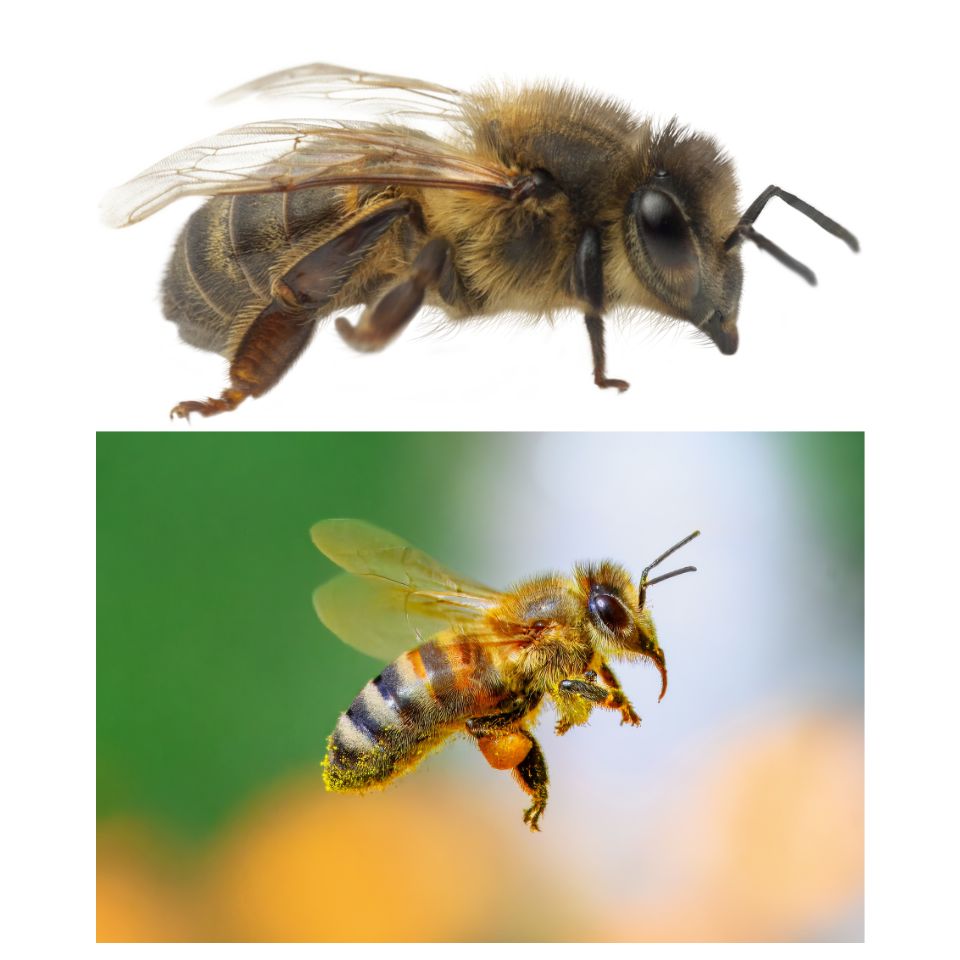
How to identify Bees
Symptoms :
- Hairy/fuzzy body (especially on the thorax)
- Broader waist (unlike the thin waist of wasps)
- Often carry pollen on their hind legs
- 4 wings
- Generally less aggressive than wasps
- Honeybee: Medium size, golden-brown with black stripes, makes honey
- Bumblebee: Large, very fuzzy, black and yellow
- Carpenter bee: Large with shiny black abdomen
Bees have a fuzzy body and thicker waist. They are important pollinators and usually only sting when threatened.
How to identify Flies
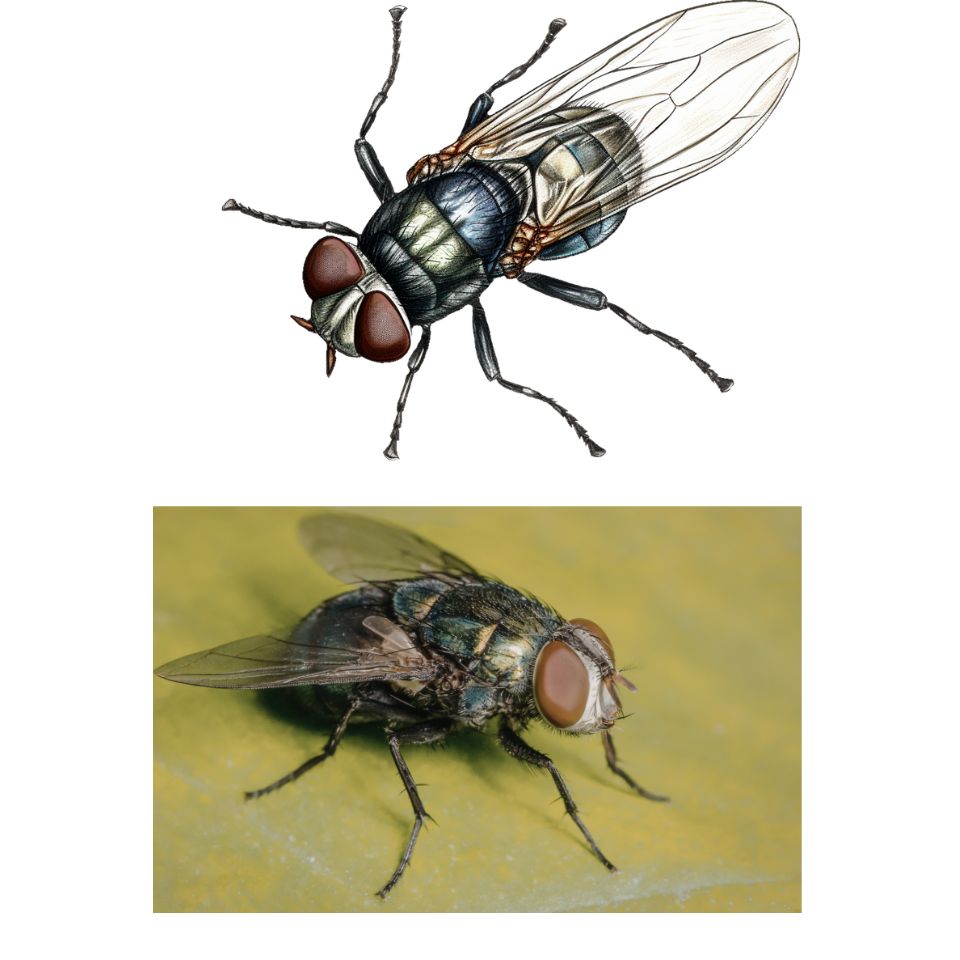
| Type | Size | Color | Key Feature | Common Location |
|---|---|---|---|---|
| House Fly | 6–8 mm | Gray with black stripes | Reddish eyes | Garbage, food areas |
| Fruit Fly | 3–4 mm | Tan/light brown | Bright red eyes | Overripe fruit, drains |
| Blow Fly | 8–10 mm | Metallic blue/green | Shiny metallic body | Dead animals, garbage |
Symptoms :
- Flies belong to the order Diptera (meaning “two wings”).
- Only one pair of wings (the second pair is reduced to small knob-like structures called halteres)
- Large compound eyes, Short antennae, 6 legs
- Mouthparts for sucking or lapping liquids
Most flies you see indoors are either House Flies (larger, gray) or Fruit Flies (tiny with red eyes). They breed in decaying organic matter and garbage.
How to identify Hornet
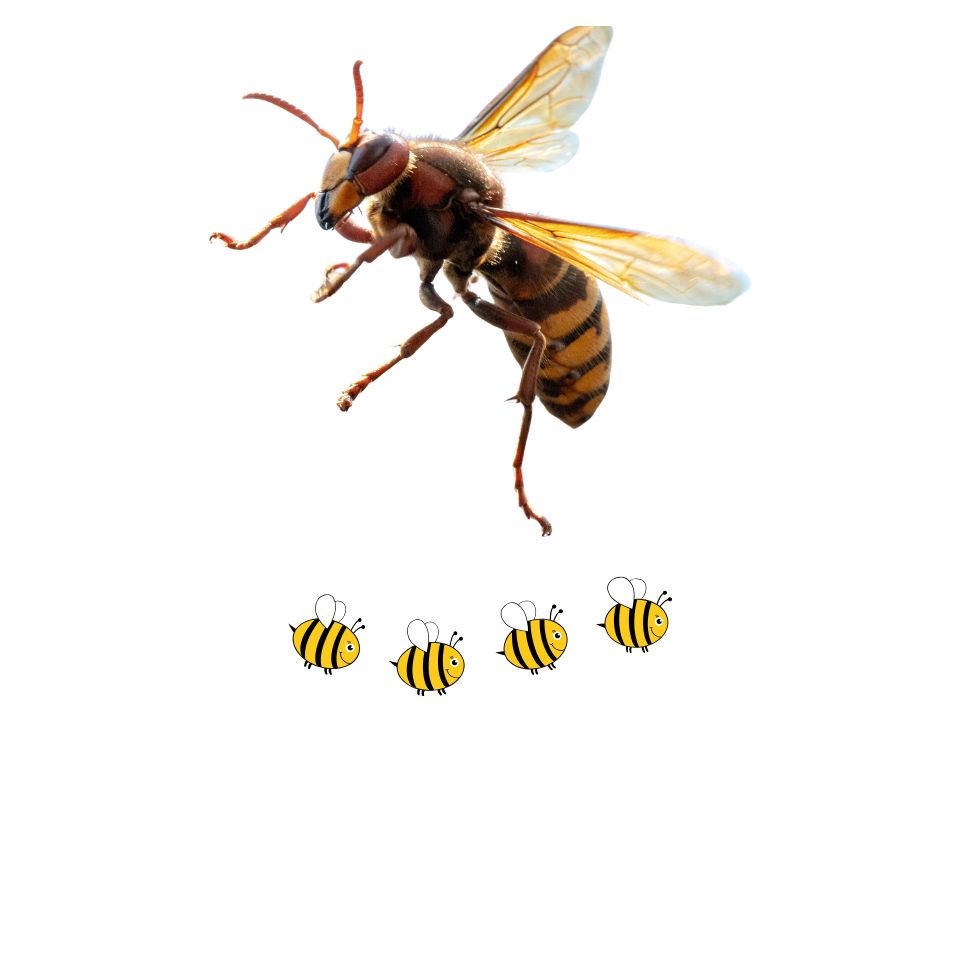
Symptoms :
- Larger and bulkier than most wasps (usually 2–3.5 cm long)
- Thick, robust body
- Reddish-brown and yellow markings (especially European hornet)
- Large head with strong jaws
- Narrow waist like wasps, Smooth body (no hair like bees)
If it’s noticeably larger than a normal wasp and has brownish-red tones, it’s likely a hornet. They are generally less aggressive than yellowjackets unless their nest is disturbed.
How to identify Yellow Jacket
Symptoms :
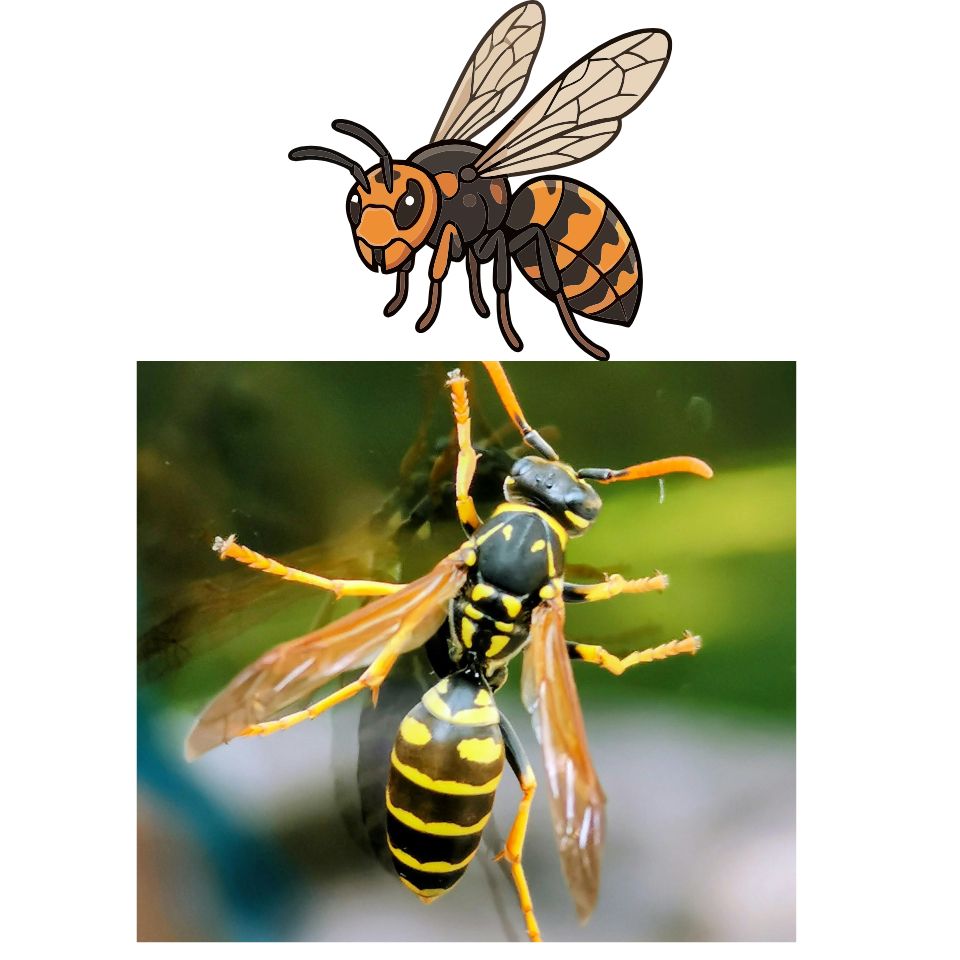
- Bright yellow and black striped body
- Smaller than hornets (about 1–1.5 cm long)
- Smooth, hairless body
- Narrow waist
- Long legs that dangle while flying
- Very fast and agile
Yellowjackets are smaller, more brightly colored, and often seen swarming around trash, sugary drinks, or picnics. They are more aggressive than most other wasps when defending food or their nest.
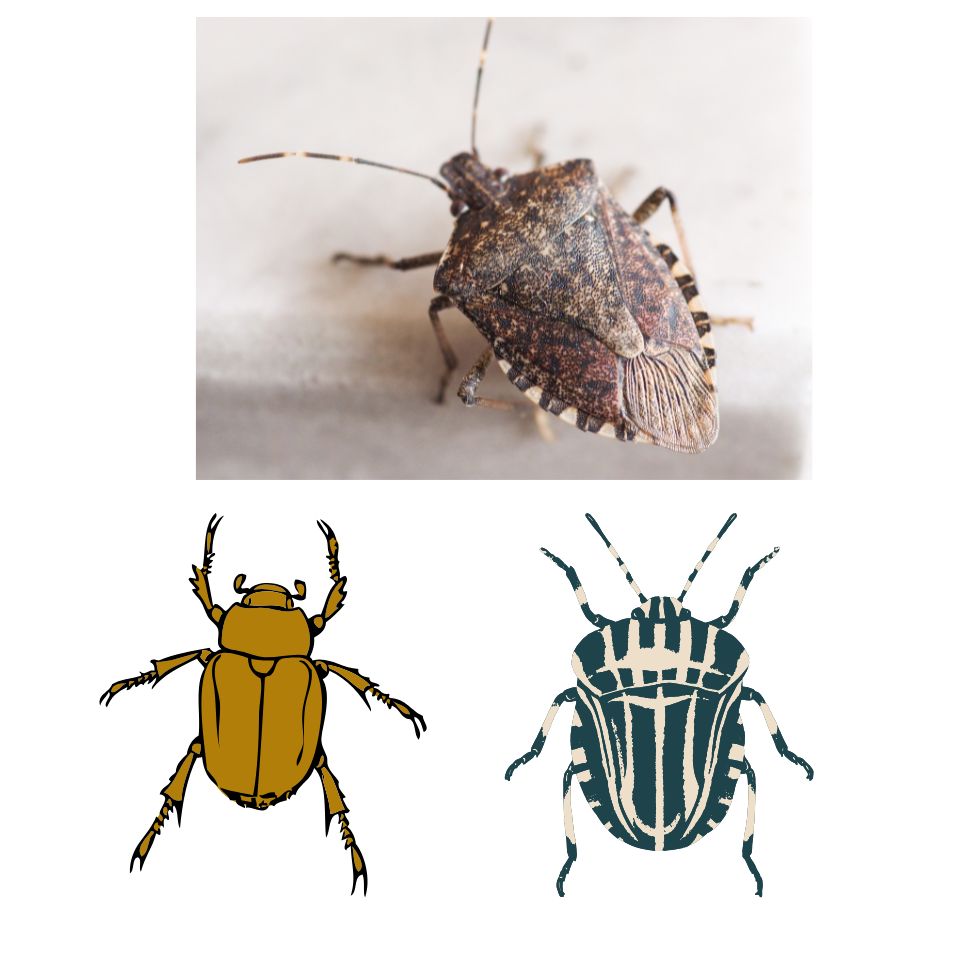
How to identify Stink Bugs
Symptoms :
- Shield-shaped body (triangular or pentagonal when viewed from above)
- Mottled brown color with lighter and darker patches
- Wings lie flat on the back when at rest
- White bands on the antennae and legs (key feature of Brown Marmorated Stink Bug)
- About 12–17 mm long
- Releases a strong, unpleasant odor when threatened or crushed
Found on walls, windows, or inside homes during fall and winter (they overwinter indoors), Look for the shield shape + white bands on antennae. If it smells bad when touched or crushed, it’s a stink bug. They don’t bite or sting humans but can become a nuisance indoors.
Identify Other American Pests
Some pests damage fabrics, stored food, paper, wood, plants, or damp areas. If the AI cannot confidently identify the pest, it may recommend a general pest inspection. Check extermination cost in your location.
Why Pest Identification Matters
Guessing the wrong pest can waste time and money. For example, termite damage is not handled the same way as ant activity. Bed bugs are not treated like carpet beetles. Rodents require a different approach than cockroaches or flies.
The National Pesticide Information Center advises identifying the pest correctly before choosing a treatment or control method. https://npic.orst.edu/pest/controlpest.html
A pest detector helps you take the first step, but it should not replace a professional inspection when the issue is active, spreading, or affecting your home.
When Should You Call a Pest Control Expert?
- Termite signs or wood damage
- Bed bugs on mattresses or furniture
- Cockroaches seen during the day
- Rodent droppings or scratching sounds
- Repeated pest activity after cleaning
- Bugs returning after DIY treatment
- Pest activity around children, pets, or food areas
- Unknown insects you cannot identify
- Bites, stains, nests, or droppings
A photo can help identify the issue, but an inspection can confirm the pest, source, severity, and treatment need.
Pest Detector Photo Tips for Better Results
For the best pest detection result, upload a photo that clearly shows the insect or pest evidence.
Good images usually include:
- A clear close-up
- Natural lighting or bright indoor lighting
- Pest centered in the image
- No heavy zoom blur
- No unrelated background clutter
- Visible body shape, legs, wings, antennae, damage, or droppings
Poor images may not work if they are:
- Too dark, too blury, Too far away
- Showing only a wall or floor
- Showing no pest evidence
- Showing people, documents, or private items
Note : Please avoid uploading photos that contain faces, personal documents, addresses, or private information.
FAQ
What is a pest detector?
A pest detector is a photo-based tool that helps identify possible pests or pest evidence. You upload a photo, and the system checks whether the image appears to show a pest such as a termite, cockroach, bed bug, ant, rodent, spider, tick, or beetle.
Is the pest detector 100% accurate?
No. The pest detector gives an estimate based on the uploaded image. Poor lighting, blurry photos, hidden pests, or similar-looking insects can affect accuracy. A professional inspection is recommended for confirmation.
Can I use the pest detector for termite damage?
Yes. You can upload photos of termite-like insects, mud tubes, damaged wood, discarded wings, or suspicious structural damage. If termite activity is suspected, call +1 (833) 545-0257.
Can the tool identify bed bugs?
The tool can help identify possible bed bugs from clear photos. Upload images of bugs, mattress stains, shed skins, or bed frame activity. Bed bug problems should be checked quickly because they can spread between rooms.
What if the tool says no pest detected?
If the tool cannot clearly detect a pest, upload a better image with closer focus and better lighting. If you still see pest signs, call +1 (833) 545-0257 for help.
Can I upload a photo from my phone camera?
Yes. The pest detector can allow users to upload an image from their device or take a new photo using their camera, depending on your browser and device settings.
Should I try DIY pest control after detection?
Do not choose treatment only from an AI result. Identify the pest correctly first, then decide whether professional inspection or treatment is needed. Incorrect pest identification can lead to ineffective treatment.